Healthy Travel Tips
How to protect your physical and mental health before, during, and after your trip — so you return home feeling as good as when you left.
Healthy Travel Tips
How to protect your physical and mental health before, during, and after your trip.
Proactive health preparation before departure is the single most effective thing you can do to protect your well-being on the road.
- Visit your doctor before departure: Schedule a general check-up and vaccination review. Depending on your destination, additional vaccines (hepatitis A & B, typhoid, yellow fever, rabies) may be recommended. Your doctor can also advise on malaria prevention if relevant.
- Research medical facilities at your destination: Know the location of the nearest reputable hospital or clinic, local emergency numbers, and the nearest embassy or consulate of your home country before you need them.
- Purchase comprehensive travel insurance: Medical emergencies abroad can cost tens of thousands of dollars without coverage. Choose a policy that includes emergency medical treatment, hospital stays, and evacuation. Our team can assist in finding the right policy for your trip.
- Pack a well-stocked first aid kit: Include bandages, antiseptic, a thermometer, pain relievers, antihistamines, antacids, blister plasters, any prescription medications (with a copy of the prescription), and a short supply of common remedies for stomach upsets.
- Understand specific destination health risks: Research altitude sickness if visiting high-altitude regions, mosquito-borne illness prevention for tropical destinations, and food and water safety standards for your specific country.
What you eat and drink while traveling has a profound impact on your energy, immune system, and overall enjoyment of the trip.
- Carry a reusable water bottle and drink consistently: Aim for at least 8 glasses (2 litres) of water per day. Hydration is especially important on long flights, in hot climates, and at altitude.
- Verify local tap water safety: In many destinations, tap water is unsafe for drinking. When in doubt, purchase bottled water from sealed, reputable brands, or use a portable filtration device.
- Balance local indulgence with nutrition: Exploring local cuisine is one of travel's great pleasures — but maintain balance by seeking out fresh produce, whole grains, and lean proteins alongside richer local dishes.
- Apply food hygiene standards to street food: Observe vendors carefully — look for clean preparation areas, freshly cooked food served hot, and high turnover of customers as an indicator of freshness. When uncertain, move on.
- Pack smart travel snacks: Long journeys offer limited healthy food options. Mixed nuts, dried fruit, energy bars, fresh fruit, and cut vegetables in a container are easy to carry and sustain energy between meals without the slump of processed alternatives.
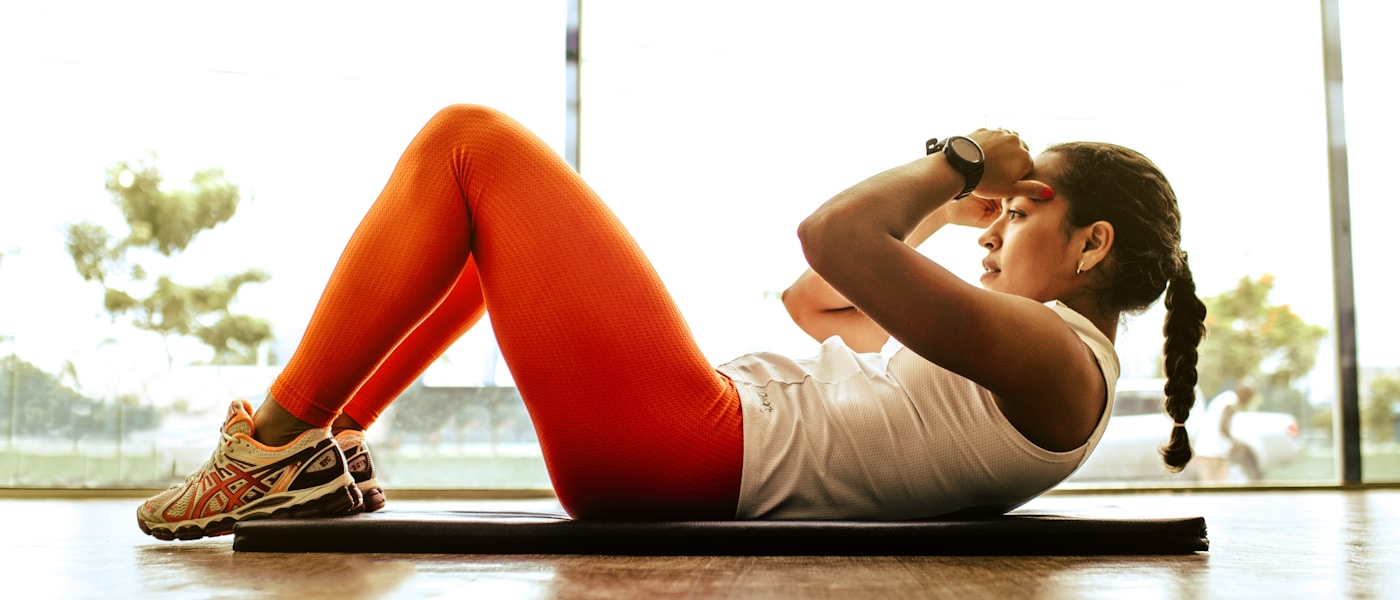
Maintaining physical activity while traveling boosts energy, improves mood, and helps your body adapt to new time zones and environments.
- Explore on foot: Walking tours, self-guided neighbourhood strolls, and choosing stairs over elevators are the simplest ways to stay active while simultaneously experiencing a destination more authentically.
- Stretch during long flights and road trips: Economy class seats are designed for short hops, not long-haul travel. Stand up, walk the aisle, and stretch your lower back, hips, and calves every two hours to maintain circulation and prevent stiffness.
- Use hotel gyms and pools: Even a 20-minute morning workout maintains your routine and sets a positive tone for the day. Hotel pools offer both exercise and relaxation in one.
- Try activity-based sightseeing: Cycling tours, kayaking, hiking routes, and snorkeling integrate fitness seamlessly into the experience of a destination — often the most memorable way to explore.
- Practice yoga or light stretching daily: A 10–15 minute morning routine — even in a small hotel room — significantly reduces travel fatigue, improves flexibility, and promotes calmness before a full day of activity.
Sleep deprivation is one of the most common causes of a holiday falling short of expectations. Protecting your sleep quality is a priority, not a luxury.
- Prioritize 7–9 hours per night: Build your itinerary around adequate sleep, not the other way around. Exhausted travelers enjoy destinations less, make poorer decisions, and are more susceptible to illness.
- Create a comfortable sleep environment: Earplugs, a sleep mask, and a travel pillow are lightweight items that can make an enormous difference in shared or noisy accommodations.
- Manage jet lag proactively: Begin shifting your sleep schedule 2–3 days before long-haul travel. Upon arrival, expose yourself to natural daylight and avoid napping longer than 20 minutes to accelerate local time adjustment.
- Limit alcohol and caffeine before bed: A nightcap may feel relaxing, but alcohol significantly reduces sleep quality. Avoid caffeine after 2pm local time to protect your ability to fall and stay asleep.
- Keep a consistent sleep time where possible: Even across time zones, anchoring yourself to a consistent local bedtime accelerates circadian rhythm adjustment and prevents prolonged jet lag.
Mental health is as important as physical health when traveling. The pressures of navigating unfamiliar environments, language barriers, and disrupted routines can accumulate quickly without conscious management.
- Schedule genuine downtime: Not every hour needs to be filled with sightseeing. Build rest periods, slow mornings, and unscheduled afternoons into your itinerary — these often become the most treasured parts of the trip.
- Practice stress reduction techniques: Deep breathing, short guided meditations (apps like Calm or Headspace work offline), and journaling are all portable and highly effective tools for managing travel-related anxiety.
- Stay in contact with loved ones: Regular calls or messages home combat feelings of isolation, particularly on longer trips. Share photos and stories — it makes the experience richer for everyone.
- Engage in activities that restore you: Know what genuinely recharges you — a quiet museum, a morning swim, a concert, a long walk — and protect time in your itinerary for those things.
- Embrace flexibility and the unexpected: Missed connections, sudden rain, and closed attractions are part of travel. A flexible mindset converts frustrations into stories and often leads to better, unplanned experiences than the original plan ever offered.
Explore More Travel Tips
Family Travel Tips
Expert advice for traveling with children — from packing smart to keeping everyone happy on the road.
Practical Travel Advice
From preparation and packing to safety and cultural awareness — the fundamentals every traveler should know for a seamless journey.
Solo Travel Tips
Safety strategies, budget brilliance, and confidence-building advice for the independent traveler — first-timers and veterans alike.
Travel Well, Feel Great
Let our expert consultants design a journey that prioritizes your well-being every step of the way.